Summary: A new study demonstrated that when pregnant rats are fed a diet rich in high fructose corn syrup, their offspring exhibit marked learning and memory impairments that persist into adulthood. The study reveals that prenatal fructose exposure directly alters neural stem cells (NSCs), the foundational master cells responsible for neurogenesis (generating new brain cells).
By profiling the fetal brain, the researchers discovered that a maternal high-fructose diet introduces distinct epigenetic changes (chemical tags on DNA that control gene activity) that effectively silence genes required for normal brain development, creating a permanent, adverse “biological memory” of maternal nutrition.
Key Facts
- Cognitive Deficits in Adulthood: Adult rats whose mothers consumed high fructose corn syrup during pregnancy performed significantly poorer in standardized learning and memory spatial navigation tests compared to control groups, proving the damage survives long after birth.
- Suppressed Neurogenesis Architecture: The physical generation of new functional neurons from neural stem cells was heavily blunted in distinct cognitive hubs of the fructose-exposed brains, most notably within regions controlling memory storage and processing.
- The Stem Cell Shutdown: When researchers isolated and examined the neural stem cells directly, they uncovered a series of structural defects: cell division rates plumetted, the capacity to differentiate into functional neurons was impaired, and the cells’ overall genetic expression profile was severely dysregulated.
- The Epigenetic Scar: To track how a temporary prenatal diet creates a permanent adult defect, the team mapped the epigenetic landscape. They discovered that prenatal fructose exposure leaves distinct, indelible chemical tags on the DNA of fetal NSCs. These tags remain locked in place into adulthood, permanently suppressing genes required to build brain tissue.
- Reversing the Damage: In a compelling validation step, the researchers used molecular tools to artificially restore normal gene expression inside the damaged neural stem cells. Once the expression levels were normalized, the high-fructose-exposed stem cells regained their healthy, natural capacity to divide and generate new neurons.
- The Warning for Maternal Care: While further human clinical testing is required to verify if human NSCs react to environmental dietary stressors in an identical manner, these findings establish a clear warning framework. It suggests that fetal stem cells maintain a direct, molecular logbook of what a mother eats, showing how a brief pregnancy diet can permanently rewrite brain development.
Source: ISSCR
Nutritional imbalance during pregnancy can have long-lasting effects on the health status and disease susceptibility of the offspring. As such, high fructose intake through sweetened food and beverages in pregnant women has been associated with an increased susceptibility to diabetes and cardiovascular disease, as well as neurological and cognitive impairments in the offspring.
Currently, it is not well understood how early life exposure to fructose has such long-lasting effects on the cellular and molecular level.

In a recent paper published in Stem Cell Reports, Hiroya Yamada’s team from Fujita Health University School of Medicine, Toyoake, Japan found that the performance of adult rats in learning and memory tests was impaired when the rats had been exposed to high fructose in before birth by feeding their mothers with high fructose corn syrup.
Furthermore, neurogenesis, which is the generation of new neurons from neural stem cells (NSCs), in distinct regions of the brain involved in learning and cognition was reduced in those rats. Further, Yamada’s group discovered distinct changes in NSCs after high fructose exposure, which included reduced cell division and impaired generation of new neurons, and altered gene expression. To explain why prenatal high fructose exposure can have such long-lasting effects on NSCs, the researchers profiled the so-called epigenetic changes, which are chemical imprints on the DNA controlling gene activity.
Strikingly, prenatal high fructose exposure introduced distinct epigenetic changes in fetal NSCs which persisted into adulthood and which deregulated the activity of genes important for adult neurogenesis. Restoring normal expression of those genes improved the function of high fructose-exposed NSCs.
This research illustrates how early-life exposure to an adverse environment, e.g. an imbalanced maternal nutrition, can have long-lasting effects on brain development and function by changing the epigenetic regulation of gene activity in NSCs. Importantly, although epidemiological studies in human populations show similar correlations, further studies will be required to test if human NSCs are affected by high fructose and other environmental stressors in similar ways.
“Our study suggests that neural stem cells may retain a biological memory of maternal nutrition during pregnancy,” said Dr. Yamada. “This may help explain how a transient prenatal dietary imbalance can lead to long-lasting changes in brain development and function.”
Key Questions Answered:
A: This study proves that a child’s developing brain stem cells act like a molecular logbook, recording a “biological memory” of maternal nutrition. When a pregnant mother consumes high levels of high fructose corn syrup, it triggers permanent epigenetic modifications, which are chemical tags that latch onto DNA, inside the fetus’s neural stem cells. These chemical scars remain locked in place all the way into adulthood, continuously blocking the master cells from dividing properly and crippling the brain’s ability to produce fresh, functional memory neurons.
A: Think of your DNA as a massive library of cookbooks, and your genes as individual recipes. Epigenetic changes don’t change the actual wording of the recipes, but they act like heavy paperclips that clamp certain pages shut, preventing the cell from reading them. Dr. Yamada’s team found that prenatal fructose exposure places an artificial chemical clamp over the exact recipes that neural stem cells need to build a healthy brain. Because these paperclips aren’t cleaned off as the baby grows, the adult brain is left permanently lacking the tools required for normal learning and memory tracking.
A: Sensationally, the answer is yes on a cellular level. In a vital validation experiment, Dr. Yamada’s research team isolated the damaged, fructose-exposed neural stem cells and used laboratory interventions to artificially unclamp the silenced genes, restoring their normal expression profiles. Once these specific neurogenesis genes were reactivated, the damaged stem cells completely recovered, instantly regaining their healthy ability to divide and generate fresh, brand-new neurons, opening an exciting future avenue for targeted therapeutic repair.
Editorial Notes:
- This article was edited by a Neuroscience News editor.
- Journal paper reviewed in full.
- Additional context added by our staff.
About this genetics and neurodevelopment research news
Author: Kym Kilbourne
Source: ISSCR
Contact: Kym Kilbourne – ISSCR
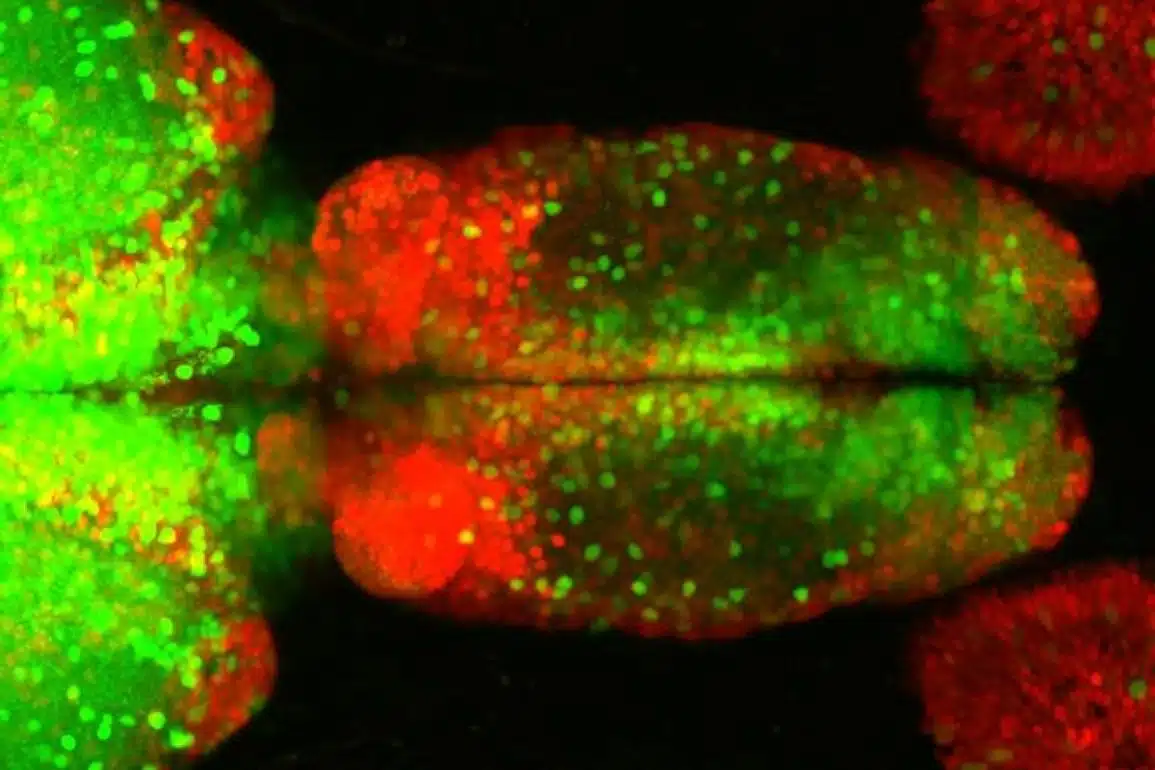
Image: The image is credited to Itsuki Kageyama and Hiroya Yamada, Fujita Health University School of Medicine
Original Research: Open access.
“Neural stem cells as potential mediators of prenatal dietary stress through epigenetic mechanisms” by Eiji Munetsuna, Genki Mizuno, Hiroaki Ishikawa, Hiroya Yamada, Itsuki Kageyama, Koji Ohashi, Koji Suzuki, Manaka Ito, Masaki Ohshiro, Mirai Yamazaki, Takashi Watanabe, Takuya Wakasugi, Yoshiki Tsuboi, Yoshitaka Ando, Yuri Kamiya. Stem Cell Reports
DOI:10.1016/j.stemcr.2026.102996
Abstract
Neural stem cells as potential mediators of prenatal dietary stress through epigenetic mechanisms
The developmental origins of health and disease (DOHaD) hypothesis suggests that environmental exposures during development can induce long-term health effects, yet the cellular origin of such persistence remains unclear.
Here, we suggest that neural stem cells (NSCs) may develop aberrant properties that persist with possible involvement of epigenetic mechanisms linking maternal dietary stress to neurocognitive impairments. In a rat model of maternal high-fructose corn syrup intake, offspring showed hippocampus-dependent memory deficits and reduced neurogenesis. NSCs from fetal and adolescent hippocampi exhibited persistent dysfunction with transcriptomic dysregulation.
Mechanistically, transient downregulation of DNA methyltransferase 3A in fetal NSCs was associated with sustained repression of secreted phosphoprotein 1, encoding intracellular osteopontin (iOPN). iOPN overexpression partially restored NSC function, supporting a potential causal link. Our study proposes a DOHaD framework in which stem cells with lasting alterations may retain epigenetic traces of early life stress, with implications for organ systems and disease risk.