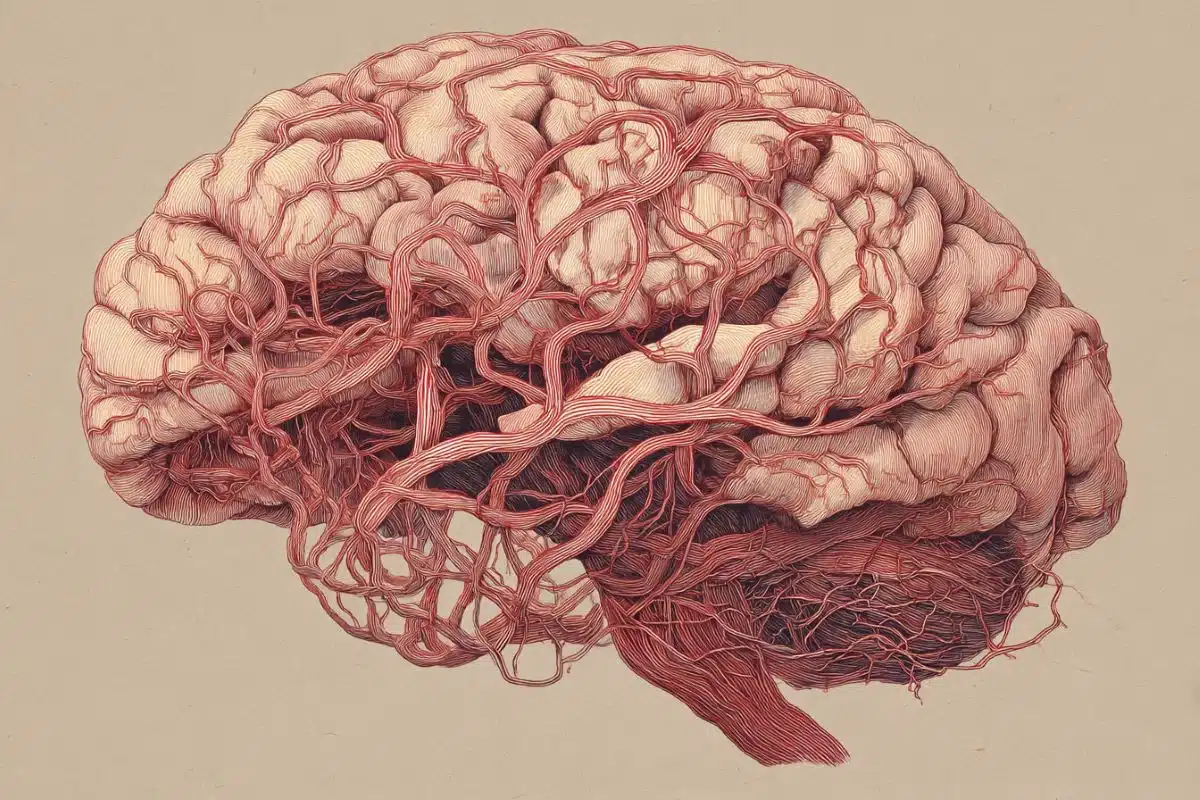
Summary: Researchers have discovered that acetazolamide (AZD), a drug currently used to treat glaucoma and altitude sickness, may prevent relapse in individuals with opioid use disorder (OUD). Unlike traditional treatments that target opioid receptors, AZD works by inhibiting a specific brain enzyme called carbonic anhydrase 4 (CA4) within the reward center.
This inhibition reverses the “rewiring” caused by long-term drug use. In animal studies, a single dose was sufficient to reduce drug-seeking behavior and strengthen the brain’s resilience against the urge to use again.
Key Facts
- Novel Pathway: The treatment targets the CA4 enzyme rather than mu-opioid receptors, offering a completely different mechanism for maintaining recovery.
- Synaptic Reversal: AZD actually reverses the harmful structural changes in brain connections (synapses) that occur during withdrawal and chronic use.
- Fast-Track Potential: Because acetazolamide is already FDA-approved for other conditions and has a known safety profile, it could be repurposed for addiction treatment more quickly than a new drug.
Source: University of Iowa
An existing drug currently used to treat glaucoma, altitude sickness, and seizures may also have potential for preventing relapse in opioid use disorder, according to a new study by researchers at University of Iowa Health Care.
The UI researchers led by John Wemmie, MD, PhD, focused on the drug known as acetazolamide (AZD) because it blocks the activity of a brain enzyme called carbonic anhydrase 4 (CA4). Wemmie’s team had previously discovered that inhibiting CA4 in the whole brain, or just in its reward center (the nucleus accumbens), of mice, significantly reduced the brain changes that occurred after cocaine withdrawal. In addition, blocking the CA4 enzyme reduced drug-seeking behavior and relapse in the mice.

“What makes this approach promising is that it works in a completely different way from current treatments,” says Wemmie, a professor of psychiatry in the UI Carver College of Medicine.
“Instead of targeting opioid receptors, AZD targets a different pathway involved in drug-induced synaptic changes and drug-seeking behavior. This could open the door to new therapies that help people stay in recovery by addressing the brain’s long-term response to drug use.”
Beyond opioid blockers: Targeting brain changes involved in relapse
The opioid crisis continues to be a major public health problem. Overdose deaths are still at high levels and are a leading cause of death, especially in young adults. People struggling with opioid use disorder(OUD) often experience intense cravings and a strong urge to use the drug again, especially during withdrawal.
Current medications approved to treat OUD mostly work by targeting the mu-opioid receptor, which is the same brain receptor that opioids bind to. These medications help reduce withdrawal symptoms and lower the chance of relapse, but they do not address the deeper brain changes caused by drug use that make people vulnerable to falling back into substance use.
To find better treatments, scientists are looking beyond the mu-opioid receptor. A key area of interest is the nucleus accumbens core (NAcC) region of the brain. This region is central to the brain’s reward system and plays a major role in drug-seeking behavior.
Research shows that long-term changes in neuron-to-neuron interactions in this region may encourage future drug use and increase the risk of relapse.
Wemmie’s team made the initial discovery that CA4 might represent a new therapeutic target for substance use disorder and relapse by studying these brain changes and drug-seeking behavior induced by cocaine in mice.
Specifically, they found that blocking CA4 boosts the activity of another brain protein called acid-sensing ion channels (ASICs), which appear to regulate how neurons in the NAcC respond to drugs. ASICs are activated by tiny increases in acidity in the brain during normal nerve communication.
When ASIC activity is reduced in mouse brains, these neurons become more sensitive to changes caused by drugs like cocaine and opioids, and the mice were more likely to seek out those drugs.
Wemmie’s team then showed that, conversely, increasing ASIC activity by inhibiting CA4 prevented some of the harmful brain changes caused by cocaine withdrawal. The mice also showed less drug-seeking behavior after a period of abstinence.
In the new study, published recently in Neuropsychopharmacology, the researchers found that disrupting CA4 genetically or with a single dose of AZD also prevented adverse changes in the brain and behavior after withdrawal from oxycodone, a commonly abused opioid.
They showed that blocking CA4 reduced the strengthening of drug-related synaptic connections and also reduced the desire to seek the drug.These findings suggest that AZD might help prevent relapse in people recovering from opioid use disorder.
“AZD is already approved for human use and has a good safety profile, which raises the exciting possibility that it might be readily repurposed to reduce drug-seeking and relapse in opioid use disorder and other substance use disorders,” says Wemmie, who also is a member of the Iowa Neuroscience Institute.
In addition to Wemmie, the UI team included Subhash Gupta, Rebecca Taugher-Hebl, Ali Ghobbeh, Marshal Jahnke, Rong Fan, and Ryan LaLumiere.
Funding: The research was supported in part by grants from the National Institute of Drug Abuse, part of the National Institutes of Health, the Department of Veterans Affairs, and the Roy J. Carver Charitable Trust.
Key Questions Answered:
A: Current treatments mostly work by binding to the same receptors as opioids to reduce withdrawal. This drug targets a different enzyme pathway that actually helps “reset” the brain’s reward center, addressing the physical rewiring that makes people vulnerable to relapse.
A: Early research suggests it might. The study found that blocking the CA4 enzyme also reduced brain changes associated with cocaine withdrawal, indicating it may be effective for multiple substance use disorders.
A: While the drug itself is already on the market for glaucoma and altitude sickness, it still needs clinical trials in humans specifically for opioid use disorder before it can be officially recommended for recovery.
Editorial Notes:
- This article was edited by a Neuroscience News editor.
- Journal paper reviewed in full.
- Additional context added by our staff.
About this neuropharmacology research news
Author: Jennifer Brown
Source: University of Iowa
Contact: Jennifer Brown – University of Iowa
Image: The image is credited to Neuroscience News
Original Research: Open access.
“Acetazolamide inhibition of carbonic anhydrase 4 reverses opioid-induced synaptic rearrangements in nucleus accumbens and reduces drug-seeking behavior” by Subhash C. Gupta, Rebecca J. Taugher-Hebl, Ali Ghobbeh, Marshal T. Jahnke, Rong Fan, Ryan T. LaLumiere & John A. Wemmie. Neuropsychopharmacology
DOI:10.1038/s41386-025-02319-5
Abstract
Acetazolamide inhibition of carbonic anhydrase 4 reverses opioid-induced synaptic rearrangements in nucleus accumbens and reduces drug-seeking behavior
Persistent vulnerability to drug-seeking is driven by enduring synaptic adaptations, yet current μ-opioid receptor-targeting pharmacotherapies provide limited efficacy against these neuroadaptations. Thus, there is a critical need for mechanistically distinct, non-opioid interventions.
We recently found that carbonic anhydrase 4 (CA4) disruption reduces cocaine-induced synaptic adaptations and drug-seeking. Building on this foundation, we sought to determine whether deleting CA4 or pharmacological inhibition with acetazolamide (AZD), a clinically employed carbonic anhydrase inhibitor—could mitigate opioid withdrawal–associated plasticity and thus might reduce relapse vulnerability.
We studied synaptic and behavioral adaptations to withdrawal from oxycodone in mice and found that prolonged withdrawal from oxycodone increased the AMPAR/NMDAR ratio and promoted synaptic incorporation of Ca2+-permeable AMPARs in nucleus accumbens core (NAcC) medium spiny neurons (MSNs).
We found synaptic changes after protracted withdrawal from multiple opioids, which were most pronounced in D1-expressing MSNs, and were prevented by CA4 disruption. Moreover, AZD reversed withdrawal-induced synaptic alterations both in vitro and in vivo, in a CA4- and acid-sensing ion channel 1A (ASIC1A)–dependent manner.
Unlike withdrawal from cocaine, withdrawal from oxycodone did not alter dendritic spine density in NAcC MSNs, suggesting a distinct mode of plasticity.
Finally, following oxycodone self-administration, both CA4 deletion and a single systemic AZD dose reduced drug-seeking after prolonged abstinence.
Together, these findings identify CA4 as a regulator of opioid-induced synaptic adaptations and suggest AZD as a promising, readily translatable pharmacological intervention.
By targeting a pathway independent of classical opioid receptor signaling, CA4 inhibition represents a mechanistically distinct strategy that may reduce relapse vulnerability in OUD.