Summary:
Researchers have discovered that dabrafenib, an FDA-approved BRAF inhibitor currently prescribed for pediatric brain tumors, significantly reduces the size and number of vascular malformations in Cerebral Cavernous Malformation (CCM). By screening over 5,000 bioactive molecules, the team demonstrated that dabrafenib suppresses vessel leakage, normalizes vascular architecture, and prevents hemorrhagic progression in animal models, offering a viable drug-based alternative to invasive brain surgery.
Key Facts:
- Drug Repurposing Breakthrough: High-throughput screening of more than 5,000 compounds identified dabrafenib, an established treatment for pediatric low-grade glioma, as an effective therapeutic agent against CCM.
- Dual-Pathway Targeting: Dabrafenib selectively inhibits two aberrant molecular signaling pathways driving cavernoma growth, successfully shrinking vascular lesions and halting lesion formation in vivo.
- Vessel Stabilization and Leakage Suppression: Beyond reducing lesion volume and burden, the drug restored vascular integrity, curbed cerebral microhemorrhages, and repaired vascular defects in the retina.
Source: Uppsala University / SciLifeLab
Cerebral Cavernous Malformation (CCM) is a devastating vascular condition characterized by the formation of fragile, mulberry-like clusters of dilated capillaries within the central nervous system. Because the walls of these malformed vessels lack proper structural integrity and endothelial tight junctions, they are prone to chronic micro-leakage and catastrophic intracranial hemorrhages, often leading to neurological deficits, seizures, and hemorrhagic strokes.
To date, no approved pharmacological therapy exists for CCM. The only available clinical intervention is neurosurgical resection, an invasive option fraught with surgical risks and frequently unfeasible for patients who present with multiple deep-seated or brainstem lesions.
Now, a collaborative study led by researchers at Uppsala University and SciLifeLab reveals a non-invasive therapeutic candidate.
Publishing their preclinical findings, the team discovered that dabrafenib, a targeted BRAF inhibitor already approved by the U.S. Food and Drug Administration (FDA) and the European Medicines Agency (EMA) for pediatric brain tumors, effectively halts cavernoma progression, stabilizes leaky vessels, and shrinks pre-existing vascular malformations.
High-Throughput Screening Identifies a Dual-Action Inhibitor
To find therapeutic molecules capable of reversing CCM pathology, the researchers conducted an unbiased screening campaign assessing more than 5,000 bioactive compounds against cultured CCM mouse vascular endothelial cells.
The primary objective was identifying candidates capable of reverting the chaotic, destabilized endothelial phenotype back to a healthy state. The most promising lead was dabrafenib.
“We tested more than 5,000 bioactive molecules on cultured CCM mouse vascular cells to identify compounds that could normalise their pathogenic phenotype. Top drug candidates were subsequently studied in cultured human brain vascular cells and in CCM animal models,” explained first and co-corresponding author Maximiliano Arce. “The most promising results came from dabrafenib, a BRAF inhibitor that efficiently reversed the pathological phenotype in vitro and halted cavernoma progression in vivo. Remarkably, dabrafenib targeted two pathological signalling pathways that contribute to CCM development and progression.”
Sealing the Blood-Brain Barrier and Shrinking Lesions
Following initial cellular validation in human brain microvascular cells, the team evaluated dabrafenib’s efficacy in genetic mouse models of CCM.
The in vivo results demonstrated substantial therapeutic benefits across multiple parameters:
- Lesion Regression: Oral administration of dabrafenib produced a marked reduction in both the overall number and physical volume of brain cavernomas.
- Leakage Suppression: The drug stabilized the fragile endothelial lining, halting the vascular permeability and micro-hemorrhages that cause clinical neurological deterioration.
- Retinal Rescue: Dabrafenib also resolved abnormal vascular remodeling in the retina, a secondary clinical manifestation observed in many CCM patients.
Accelerating Clinical Translation
Because bringing a de novo pharmaceutical compound through preclinical design and Phase I safety trials typically spans over a decade, repurposing an established drug offers a critical shortcut for patients living under the constant threat of brain bleeds.
Dabrafenib is already widely utilized in pediatric oncology to manage BRAF-mutated low-grade gliomas, meaning its pharmacokinetic behavior, dosage tolerance, and human safety profile are well documented.
“Since dabrafenib is already approved by the U.S. Food and Drug Administration and the European Medicines Agency, and has an established safety profile, it represents a strong candidate for rapid clinical translation to halt brain cavernoma growth and progression,” said senior author Peetra Magnusson.
The research consortium, which worked in close collaboration with the SciLifeLab BioImage Informatics Unit to quantify vascular architectures, is now laying the groundwork for clinical trials to evaluate dabrafenib’s efficacy in human patients with familial and sporadic CCM, aiming to replace neurosurgery with targeted precision pharmacotherapy.
Editorial Notes:
- This article was edited by a Neuroscience News editor.
- Journal paper reviewed in full.
- Additional context added by our staff.
About this neurotech and schizophrenia Research:
- Media Contact: Sandra Gunnarsson
- Source: Uppsala University
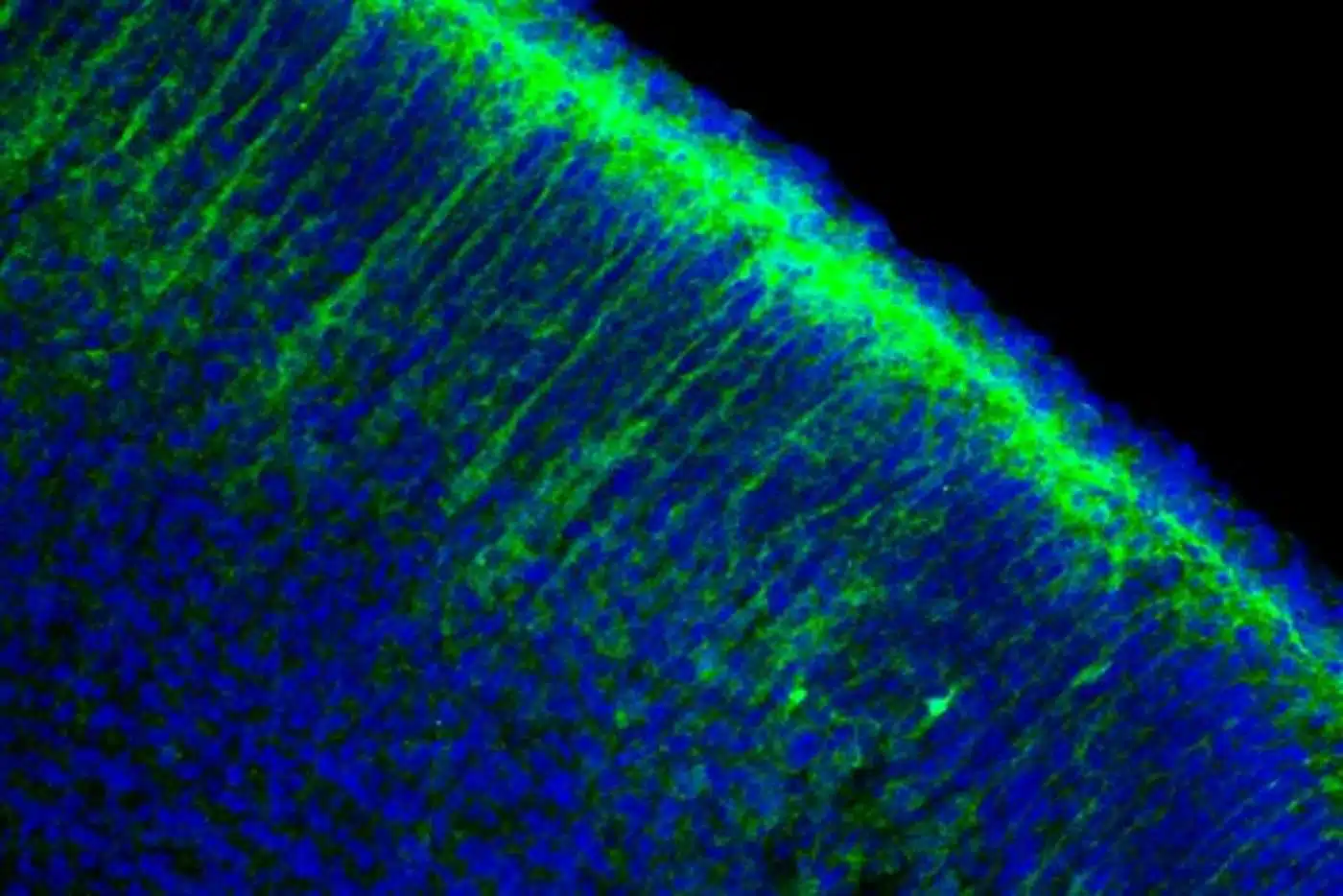
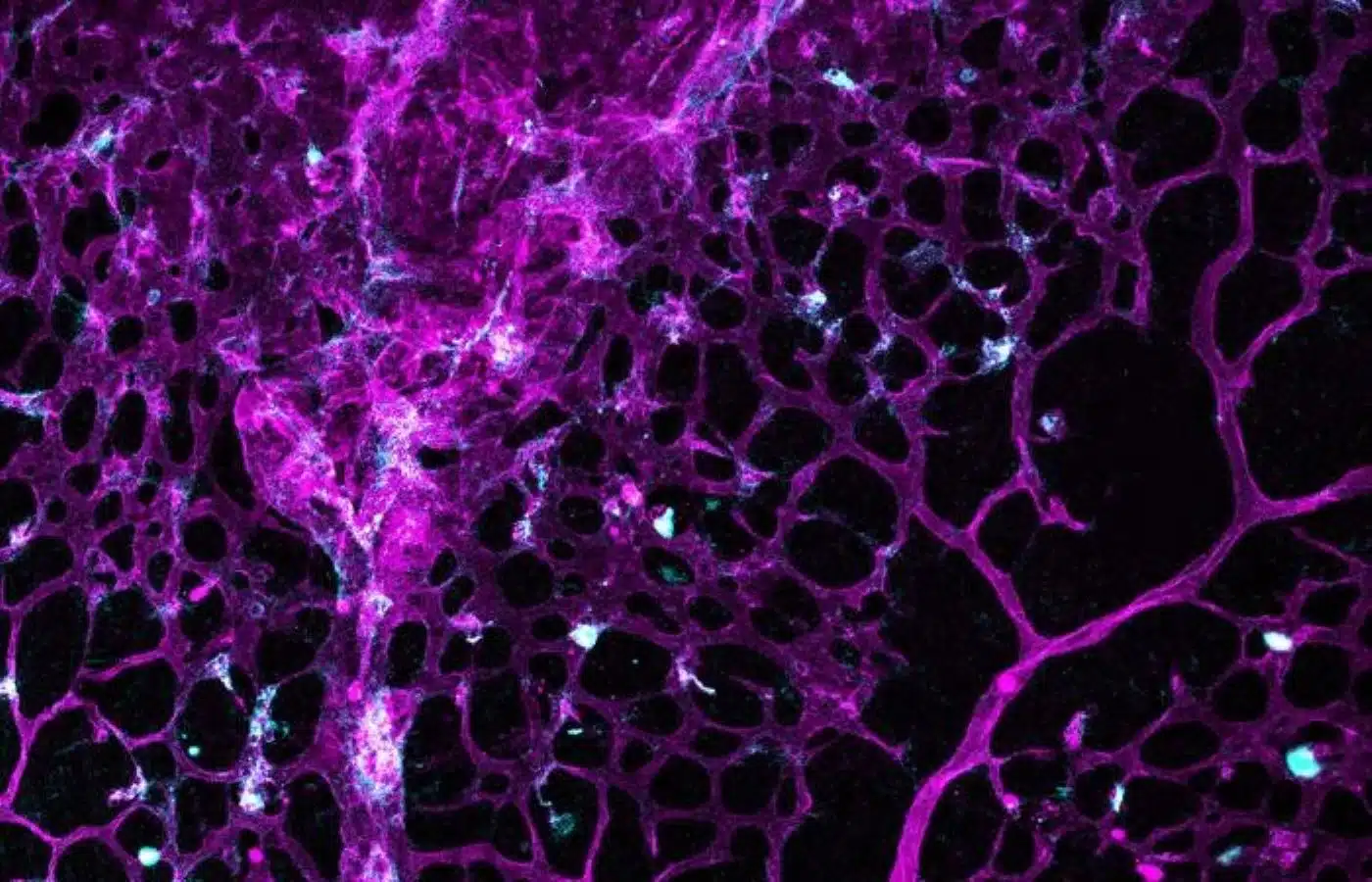
- Image Credit: Image credited to Maximiliano Arce
- Original Research is Open Access: Science Translational Medicine (Oct 1, 2026). “The kinase inhibitor dabrafenib halts progression of cerebral cavernous malformations in a BRAF-independent manner.” Authors: Maximiliano Arce, Hua Huang, Charlotte Rorsman, Iza Erzar, Joppe Oldenburg, Ying Sun, Ross Smith, Favour C. Onyeogaziri, Stefano Barbera, Frida C. Ahlstrand, Petter Ranefall, Anna Klemm, Mark Richards, Anna Dimberg, Lena Claesson-Welsh, and Peetra U. Magnusson.
- DOI: 10.1126/scitranslmed.adr0448
Abstract
The kinase inhibitor dabrafenib halts progression of cerebral cavernous malformations in a BRAF-independent manner
Cerebral cavernous malformations (CCMs) constitute the second most common type of intracranial vascular malformations. Cavernomas arise because of somatic or autosomal dominant inherited loss-of-function mutations in CCM genes, forming fragile mulberry-like malformed blood vessel structures that are prone to leak and break.
Treatment is limited to surgical removal of solitary cavernomas, and because patients often present with multiple lesions, pharmacological alternatives to surgery are needed. We performed a high-throughput screen of 5200 bioactive molecules in programmed cell death 10 (PDCD10 or CCM3)–deficient mouse endothelial cells, coupled to automated image analysis.
This screen identified dabrafenib, a clinically approved BRAF inhibitor, as a compound that restored cell-cell junctions and vascular barrier properties of CCM3-deficient endothelial cells. The potential translatability of dabrafenib was tested in acute and chronic CCM mouse models, where it reduced cerebral lesion burden and suppressed lesion permeability.
Dabrafenib also rescued abnormal structural defects present in the developing retina vasculature in an acute CCM mouse model. Mechanistically, dabrafenib targeted extracellular regulated kinase (ERK)5–Krüppel-like factor (KLF)2/4 signaling and suppressed F-actin stress fiber formation in human brain endothelial cells, two potentially independent and central molecular processes involved in CCM pathology.
Silencing BRAF did not prevent dabrafenib-induced KLF2/4 inhibition or restoration of cell-cell junctions, suggesting that its dual therapeutic outcome is independent of BRAF pathway inhibition. In conclusion, dabrafenib is a low–molecular weight compound that inhibits cavernoma pathogenesis, suggesting that CCMs could be treated with dabrafenib to block cavernoma growth and vascular leakage.