Summary: A new study demonstrates that the developmental stage at which trauma occurs is more critical than the type of trauma itself in determining adult behavioral outcomes.
By studying mouse models alongside patient cohorts, the team identified specific “vulnerability windows” where traumatic experiences reshape distinct brain regions, leading to persistent issues like aggression, social withdrawal, or anxiety.
Key Research Findings
- The Timing Rule: The research highlights that the developmental stage—early childhood, childhood, adolescence, or young adulthood, is the primary factor in determining how trauma manifests as dysfunctional behavior in adulthood.
- Behavioral Specificity:
- Childhood trauma is linked to difficulties in social interaction.
- Adolescent trauma is more likely to induce aggressive and dominant behaviors.
- Anxiety appears as a universal symptom regardless of when the trauma occurred.
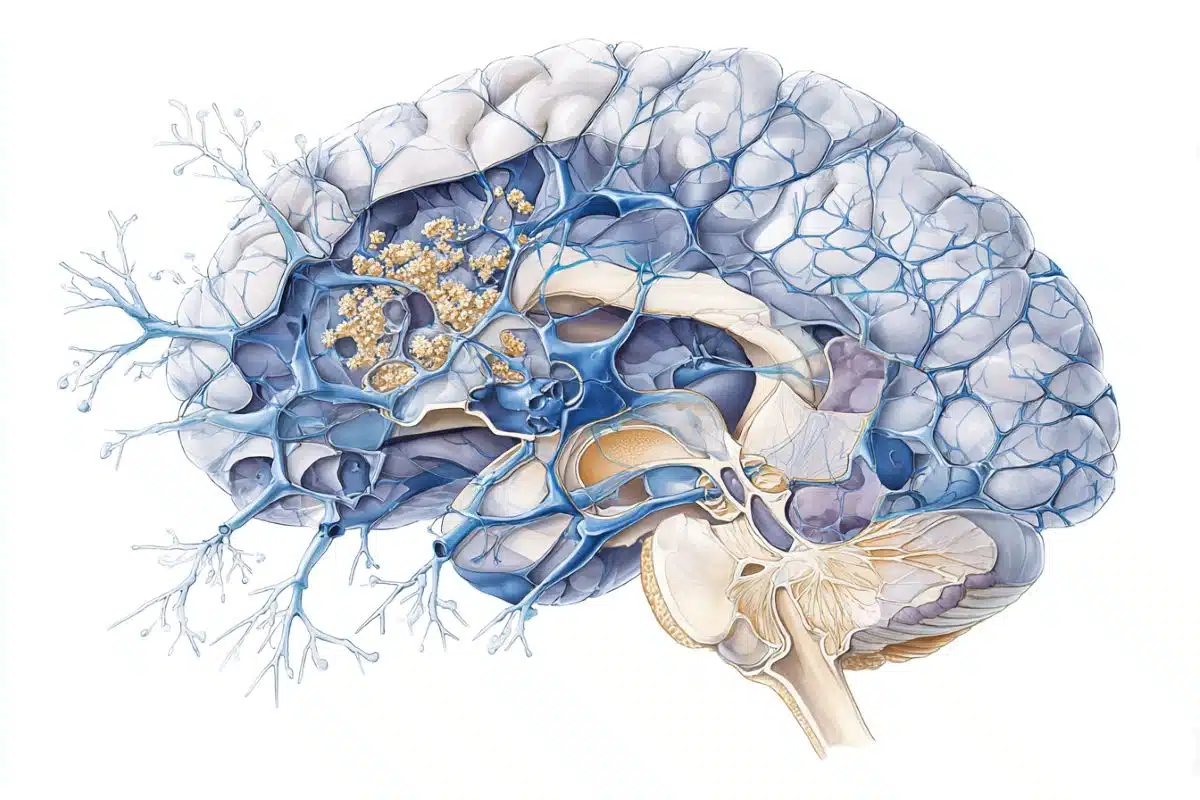
- Targeted Brain Regions: Early-life trauma primarily reshapes the amygdala, hippocampus, and hypothalamus, while trauma experienced later in development mainly impacts the prefrontal cortex.
- Biological “Recording”: Traumatic events trigger biological processes such as programmed cell death, oxidative stress, and membrane vesicle biogenesis, which “record” the impact in the brain’s physical structure.
- Therapeutic Target: The team identified the BDNF (Brain-Derived Neurotrophic Factor) pathway as a potential target. Modulating this pathway could mitigate the effects of trauma experienced specifically during young adulthood.
Source: IIT
A research team from the Istituto Italiano di Tecnologia (IIT-Italian Institute of Technology), in collaboration with the IRCCS Istituto Giannina Gaslini in Genoa (Italy), has demonstrated that traumatic experiences occurring at specific stages of life — particularly from childhood through the early years following adolescence — have persistent effects on brain development and adult behavior.
It is not so much the type of trauma that makes the difference, but rather the timing in which it is experienced, which translates into dysfunctional behaviors such as aggression, depression, anxiety, and attention deficits.
This discovery could pave the way for more precise and personalized treatments for certain neuropsychiatric conditions.
The study was coordinated by IIT researchers in Genoa, Laura Cancedda, head of the Brain Development and Disease research unit, and Valter Tucci, head of the Genetics and Epigenetics of Behavior unit.
The collaboration with the Gaslini Institute involved, for omics and clinical analyses, the Clinical Proteomics Laboratory and Core Facility for Omics Sciences directed by Andrea Petretto, and the Child Neuropsychiatry Unit of the Gaslini Institute directed by Lino Nobili, with the contribution of Sara Uccella, a specialist in Child Neuropsychiatry and researcher at the University of Genoa based at the Gaslini Institute.
The work was published in the prestigious international journal Cell Reports Medicine and was supported by funding from the Fondo Italiano per la Scienza (FIS Advanced) of the Italian Ministry of University and Research (MUR), awarded to Cancedda in 2025.
It is already well known that traumatic experiences increase the risk of psychiatric disorders, such as post-traumatic stress disorders (PTSD), but it remains unclear why similar events can lead to very different outcomes in different individuals. In this study, the research team demonstrates that the developmental stage at which trauma occurs — more than the type of trauma itself — plays a key role in determining distinct behavioral outcomes.
By studying mouse models and combining the findings with analyses of a patient cohort, the researchers showed that the association between trauma and behavior can be linked to different stages of brain development: early childhood, childhood, adolescence, and young adulthood.
For example, trauma experienced during childhood leads to social interaction difficulties, whereas trauma during adolescence induces aggressive and dominant behaviors. Anxiety-related symptoms were observed across all cases.
Using omics and proteomic analyses, the researchers found that the impact of trauma is durably recorded in the brain, altering the function of specific regions. At the time trauma occurs, biological processes are activated in the brain that reshape its structure and function, including programmed cell death, oxidative stress, and the biogenesis of vesicles from cellular membranes. Early-life trauma primarily affects the amygdala, hippocampus, and hypothalamus, whereas later trauma mainly impacts the prefrontal cortex.
Furthermore, these studies enabled the research team to identify a potential therapeutic target: the BDNF (Brain-Derived Neurotrophic Factor) pathway, a key regulator of brain plasticity. By modulating this pathway, it may be possible to mitigate the effects of trauma when it occurs during young adulthood.
These findings suggest the existence of critical developmental windows during which the brain is particularly vulnerable to trauma, but also potentially more responsive to targeted therapeutic interventions.
The hope is that these discoveries may lead to more precise treatments for psychiatric disorders arising from traumatic events, introducing a personalized medicine approach based on the age at which the trauma occurred.
Key Questions Answered:
A: The brain develops in waves. When trauma strikes during a “critical window,” it disrupts the specific brain region that is currently undergoing its most rapid growth or refinement. For example, the prefrontal cortex, the center for impulse control, is one of the last areas to mature, making it highly vulnerable during adolescence.
A: While trauma is durably recorded in the brain, identifying the BDNF pathway suggests we might be able to use the brain’s own plasticity to heal. By targeting treatments to the age when trauma occurred, we can provide more precise, “personalized” medicine.
A: Precisely. This study clarifies that if one person experienced a trauma at age 5 and another at age 15, their brains were in different stages of “wiring,” leading to completely different psychological outcomes despite the identical event.
Editorial Notes:
- This article was edited by a Neuroscience News editor.
- Journal paper reviewed in full.
- Additional context added by our staff.
About this PTSD and neurodevelopment research news
Author: Valeria delle Cave
Source: IIT
Contact: Valeria delle Cave – IIT
Image: The image is credited to Neuroscience News
Original Research: The findings will appear in Cell Reports Medicine