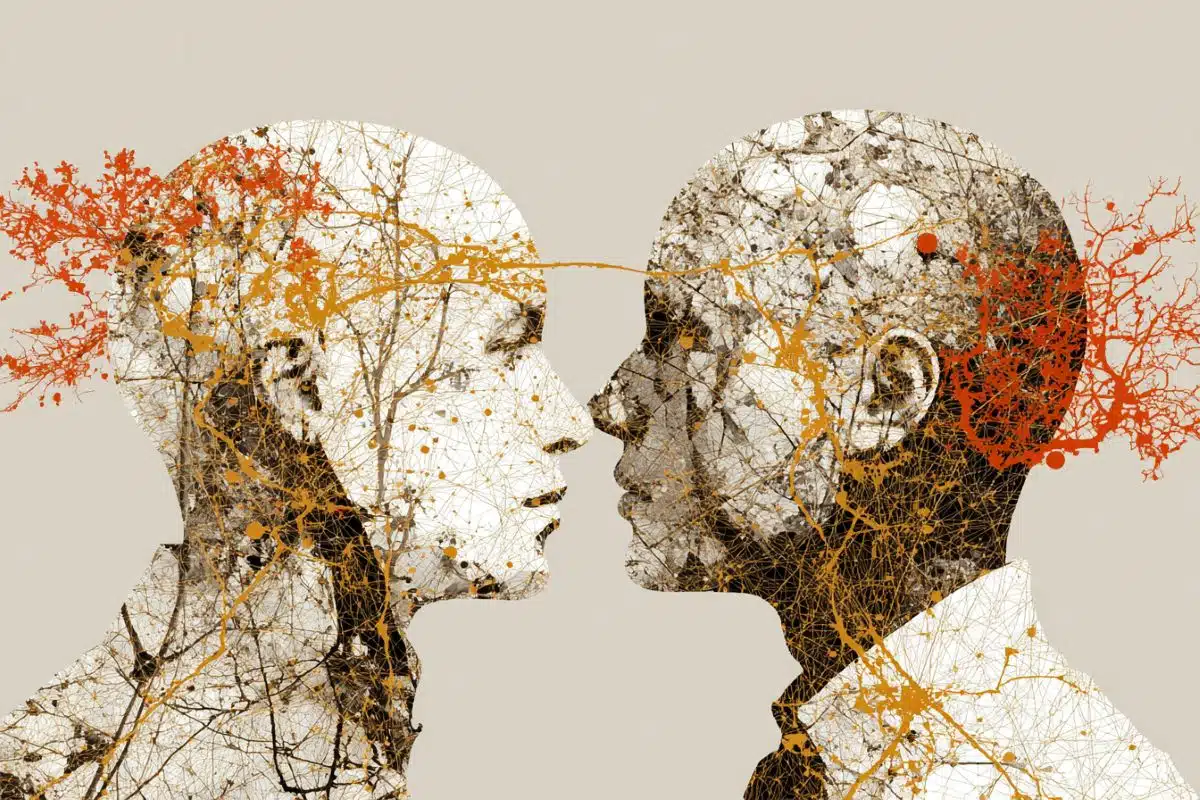
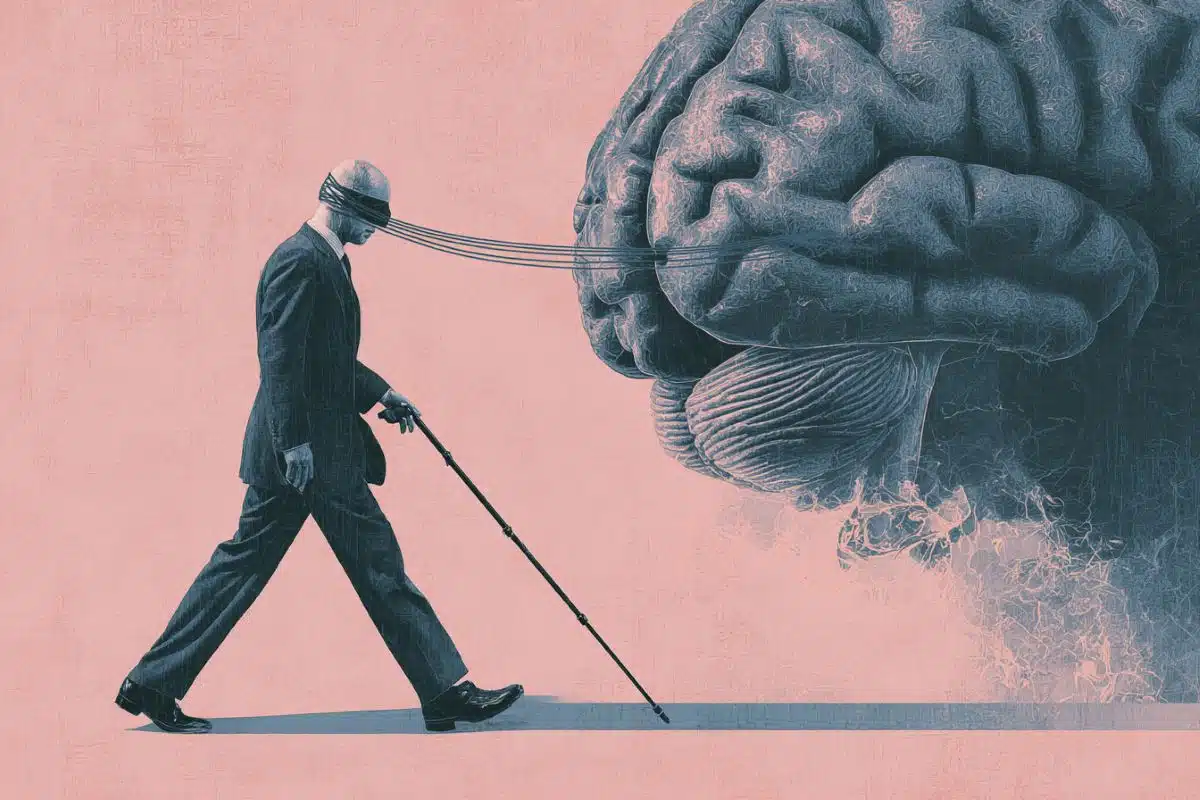
Summary: Mental illness is typically defined by its challenges, but growing evidence shows it is also linked to surprising strengths. Certain psychological conditions are associated with enhanced creativity, social sensitivity, emotional awareness, and resilience.
Long-term studies reveal that some individuals not only recover, but go on to achieve higher-than-average well-being. Recognizing these “silver linings” could help reshape treatment, reduce stigma, and offer patients a more hopeful, balanced path forward.
Key Facts
- Creative Gains: Mild schizophrenia, bipolar spectrum conditions, and hypomania are linked to higher creativity.
- Social Strengths: Depression and mood disorders are associated with increased empathy, cooperation, and social awareness.
- Thriving After Illness: A portion of people diagnosed with depression later achieve above-average psychological well-being.
Source: University of Colorado
An estimated one in five U.S. adults live with mental illnesses, conditions that are almost universally characterized by their negative consequences. But there are also positive attributes associated with psychological disorders— and acknowledging them can reduce stigma, improve care and provide hope to patients and their families.
That’s the case made in a new paper titled Silver Linings in Psychological Disorders: An Agenda for Research and Social Change.

In it, University of Colorado Boulder psychology professor June Gruber and co-authors at Cornell University point to dozens of studies dating back decades, which associate mental illness with heightened creativity, empathy, resilience and other positive qualities.
“The prevailing narrative in clinical psychology focuses on mental health from a disease model perspective—we are taught to diagnose what’s wrong and try to fix it,” said Gruber, director of the Positive Emotion and Psychopathology Lab at CU Boulder.
“This leaves out the fact that at the same time people struggle with mental health challenges, they may also grow, thrive and even develop unique strengths.”
Published in Current Directions in Psychological Science, the paper highlights evidence showing that people with mild schizophrenia, hypomania and bipolar disorder tend to score higher on measures of creativity and gravitate toward more creative professions.
“Some of the most creative minds in our society have also been the minds of people who had mental illness,” said Gruber.
People with a history of depression also tend to show more willingness to cooperate, research from Gruber’s lab and others has shown.
One CU Boulder study of nearly 2,000 college students found that although those on the bipolar spectrum report greater social conflict, they also report significantly larger social networks and feel greater social support.
Another study from Gruber’s lab found that while young adults at increased risk for mania tend to perceive even negative situations in an overly positive light, they are also better at detecting emotional shifts in others.
“Together, our findings show that along with well-documented social challenges that come with mood disorders, there may also be meaningful social strengths,” said Gruber.
In the silver linings paper, the authors note that many people in remission from mental illness look back on their darkest struggles as catalysts that helped them build resilience and self-awareness.
Take one 2019 study, led by Cornell Psychology Professor Jonathan Rottenberg, a co-author on the ‘silver linings’ paper. It found that 10 years after being diagnosed with clinical depression, 10% of study participants were “thriving” (meaning they were not only free of depression but had a psychological well-being better than one-quarter of nondepressed adults).
Gruber and Rottenberg said they do not intend to convey a “Pollyanna,” or “all-will-be-well” approach that glosses over the real suffering that comes with mental illness. But they do want to provide hope, rooted in data, that positive outcomes can occur.
They also stress that the paper is not a call to abandon medication or psychotherapy, which can be lifesaving. Rather, it is a call for a more holistic approach to research and care.
By acknowledging silver linings, Gruber believes her field can reduce stigma and potentially develop treatment plans that seek to preserve the unique traits people like about themselves while keeping the harmful elements of their illness at bay.
“If you have a more holistic understanding of a person, you can do more to support them,” she said.
Key Questions Answered:
A: Research shows some psychological conditions are associated with strengths like creativity, empathy, and resilience.
A: No. The findings do not minimize suffering but highlight that positive traits can coexist with serious symptoms.
A: Long-term data show a portion of individuals achieve both remission and above-average psychological well-being.
Editorial Notes:
- This article was edited by a Neuroscience News editor.
- Journal paper reviewed in full.
- Additional context added by our staff.
About this mental health research news
Author: Lisa Marshall
Source: University of Colorado
Contact: Lisa Marshall – University of Colorado
Image: The image is credited to Neuroscience News
Original Research: Open access.
“Silver Linings in Psychological Disorders: An Agenda for Research and Social Change” by June Gruber et al. Current Directions in Psychological Science
Abstract
Silver Linings in Psychological Disorders: An Agenda for Research and Social Change
Conventional research on people with psychological disorders is negatively focused, concentrating on what is aberrant and harmful about psychopathology.
Characterizing patterns of emotional and behavioral disturbances has helped illuminate the origins of psychopathology and led to useful treatments.
Yet we argue that the conventional approach to psychopathology is factually incomplete and may also inadvertently perpetuate the deeply entrenched stigma surrounding mental disorders.
In this article, we make the case for considering the positive experiences of people with psychopathology—silver linings—and integrating them into psychopathology research.
In our research agenda for studying silver linings in psychopathology (SLIP), we acknowledge that psychopathology may afford individuals both sources of difficulty and opportunities for positive transformation. We illustrate SLIP in cognitive, social, and resilience domains.
We close by considering implications for future research promoting a more balanced conceptualization of psychological disorders and mental well-being.