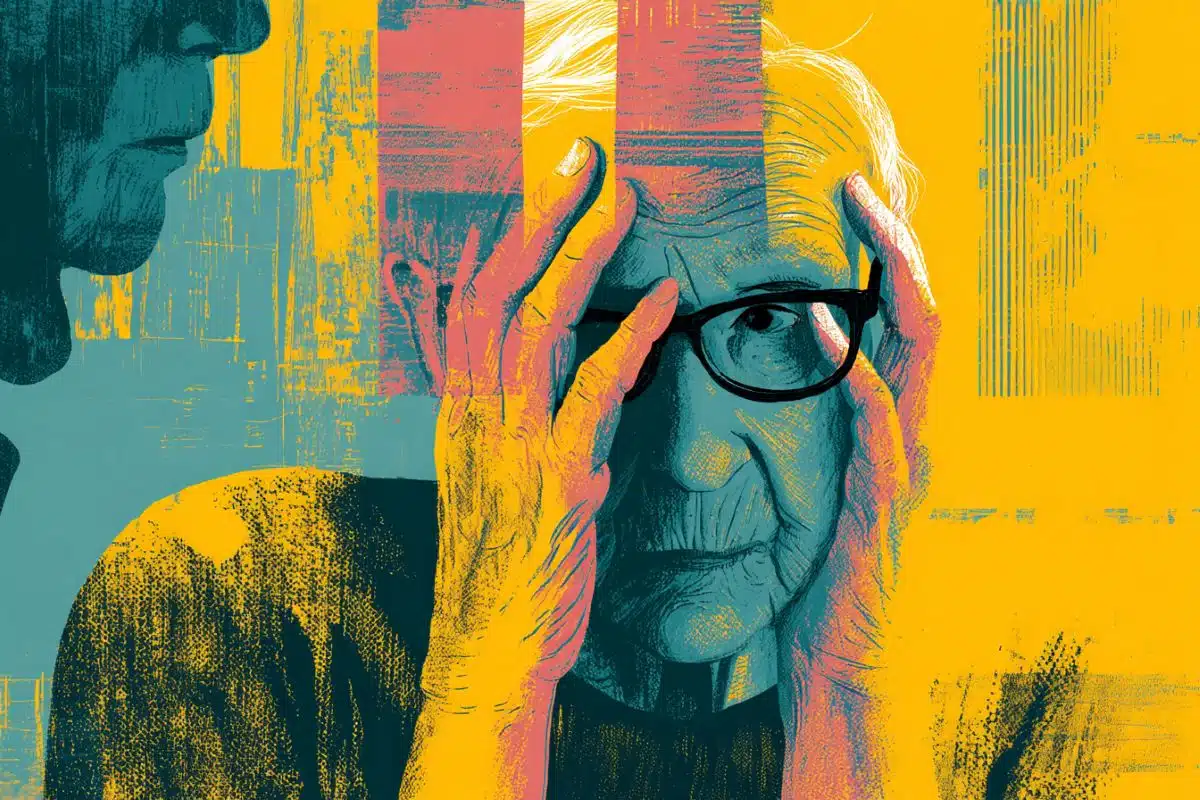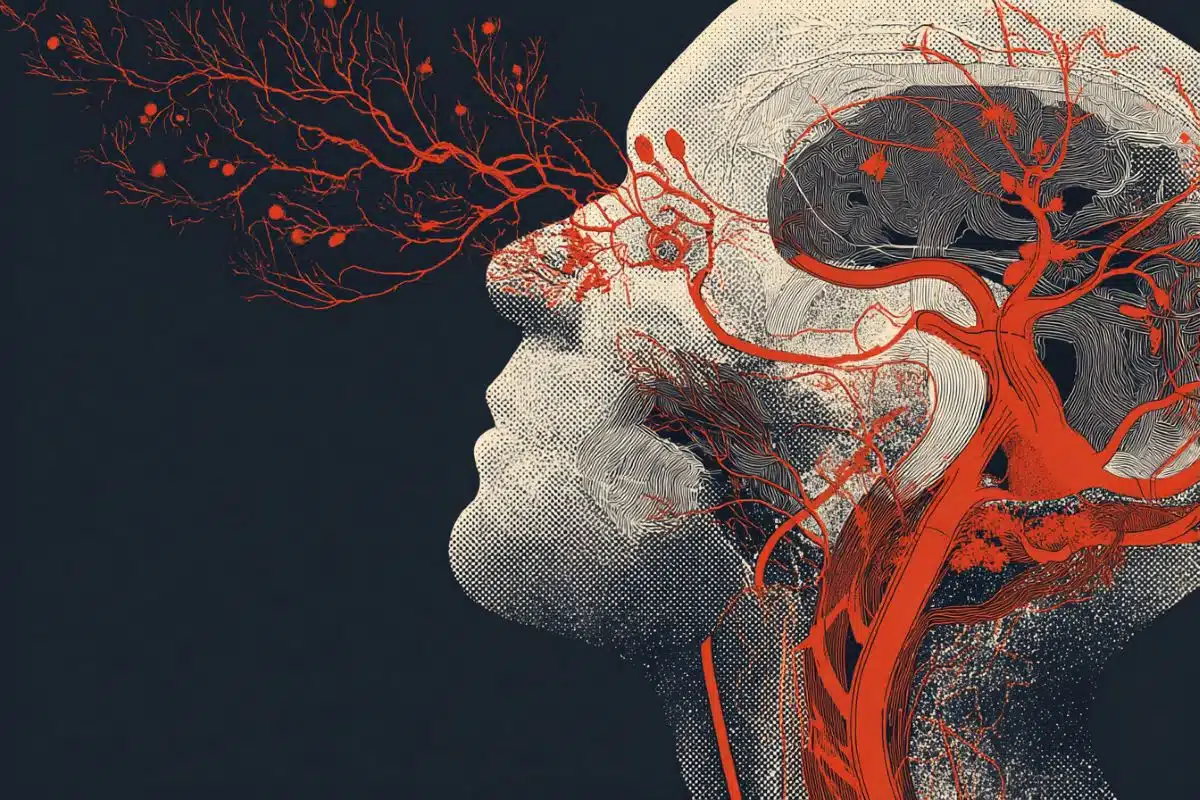
Summary: A three-year longitudinal study has debunked the long-standing myth that cognitive decline is an inevitable part of aging. Tracking nearly 4,000 participants aged 19 to 94, researchers found that the human brain remains “trainable and rewirable” across the entire lifespan.
Using a new multidimensional metric called the BrainHealth Index (BHI), the study demonstrated that consistent, targeted mental habits, even just 5 to 15 minutes a day, can measurably increase brain performance, regardless of one’s starting point or age.
Key Research Findings
- The “No-Ceiling” Effect: There is no known limit to brain optimization. Even top-tier performers continued to see gains over the 1,000-day study period.
- The Low-Starter Advantage: Participants with the lowest baseline scores showed the most rapid and significant improvements, proving that poor initial brain health is not a permanent condition.
- Micro-Training Consistency: Improvements were directly linked to daily habits. Participants who engaged in 5 to 15 minutes of micro-training and adopted brain-healthy strategies saw the highest gains.
- Universal Potential: Gains were equal across generations; a person in their 80s showed the same potential for improvement as a person in their 20s.
- The Rebound Effect: The study captured the brain’s ability to use cognitive strategies to maintain or even increase health during major life stressors like illness, job loss, or caregiving.
Source: UT Dallas
A landmark study recently published in the Nature Portfolio journal Scientific Reports reveals that cognitive decline is not an inevitable part of aging.
Researchers from Center for BrainHealth at The University of Texas at Dallas have demonstrated that adults across the entire lifespan, from ages 19 to 94, can measurably improve their brain performance through continual and targeted brain-healthy practices.
The three-year longitudinal study tracked nearly 4,000 participants using the BrainHealth Index (BHI), a first-of-its-kind multidimensional metric that measures holistic brain fitness.
Unlike traditional metrics designed to detect only deficits or disease, the BHI captures upward potential across the composite Index and its three key pillars: clarity (thinking skills), connectedness (social purpose), and emotional balance (mental resilience).
“For too long, we’ve operated under the outdated notion that we need to wait until something bad happens to our brain before we do anything for it,” said Sandra Bond Chapman, PhD, chief director of Center for BrainHealth and distinguished professor at UT Dallas.
“This study reminds us that our brain is not defined by age, it is defined by possibility. Humans have already expanded how long we live. Now, we are expanding how long the brain can continue to improve, disrupting the trajectory of decline that often begins in our early 30s. Because the true promise of longer life is a brain that allows us to thrive year by year.”
The research also highlighted the rebound effect, capturing how individuals utilized cognitive strategies to recover, maintain or even increase brain health during major life stressors, such as personal illness, job loss, or caregiving for loved ones. This demonstrates that brain health is not fixed—it’s trainable, rewirable, and within our control with proven tools.
This study was conducted as part of The BrainHealth Project, a large–scale, long–term research initiative exploring how brain health can be strengthened and optimized across the lifespan. Delivered online or through an app, the interventions combine brain strategy training, lifestyle tips, personalized coaching, and ongoing performance tracking using the BrainHealth Index.
“Every brain is as unique as a fingerprint and has potential for growth,” said Lori Cook, PhD, director of clinical research at Center for BrainHealth.
“By moving away from one-size-fits-all solutions, we are empowering people with a personalized blueprint and the agency to continuously invest in their brain health and performance.”
By leveraging a scalable digital platform, Center for BrainHealth is moving its validated protocols from the lab into real-world conditions across all 50 states and more than 60 countries, meeting people where they are. This represents a critical public health shift toward proactive, cost-effective global improvement in brain performance, the most important frontier in human potential.
Key Questions Answered:
A: Not at all. Traditional metrics only look for deficits or disease. The BrainHealth Index (BHI) is the first to measure upward potential, focusing on how you can improve your clarity and resilience, rather than just waiting for something to go wrong.
A: The data says no. Proactive brain health is as effective for seniors as it is for 20-somethings. The trajectory of decline that usually starts in our 30s can be disrupted at any point with the right “micro-habits.”
A: It refers to short, 5-to-15-minute daily bursts of strategy-based exercises. These aren’t just “brain games”, they are practical habits used in everyday life to help the brain process information more efficiently and stay socially and emotionally connected.
Editorial Notes:
- This article was edited by a Neuroscience News editor.
- Journal paper reviewed in full.
- Additional context added by our staff.
About this aging and brain health research news
Author: Stephanie Hoefken
Source: UT Dallas
Contact: Stephanie Hoefken – UT Dallas
Image: The image is credited to Neuroscience News
Original Research: Open access.
“Measuring and increasing the brain health span across adulthood: a public health imperative” by Lori G. Cook, Jeffrey S. Spence, Zhengsi Chang, Erin E. Venza, Aaron Tate, Ian H. Robertson, Mark D’Esposito, Geoffrey S. F. Ling, Jane G. Wigginton & Sandra Bond Chapman. Scientific Reports
DOI:10.1038/s41598-026-51403-3
Abstract
Measuring and increasing the brain health span across adulthood: a public health imperative
Extending brain health span – maintaining or improving cognitive, social, and emotional well-being – is critical to aligning health span with lifespan.
This study examines 3-year outcomes from 3,966 adults (ages 19–94) in the BrainHealth Project, an online initiative integrating the BrainHealth Index (BHI) with cognitive training, lifestyle modules, and coaching.
The BHI, assessed biannually, provides a multidimensional measure across factors of Clarity (cognitive function), Connectedness (social and purpose-driven engagement), and Emotional Balance (mental well-being).
Results demonstrate sustained improvements in overall BHI and component factors, independent of baseline scores. Higher engagement with training tools – strategy-based learning, coaching, and brain-healthy habits – was associated with the greatest gains, underscoring the role of self-agency in brain health optimization. Improvements were observed across demographic groups, suggesting benefits regardless of age, gender, or education level.
Findings support the potential for scalable, technology-driven interventions to help reduce years of cognitive decline while maximizing brain performance across the lifespan.
Future efforts should focus on improving demographic diversity and retention as well as integrating precision brain health into public health initiatives.